The Gloden Era
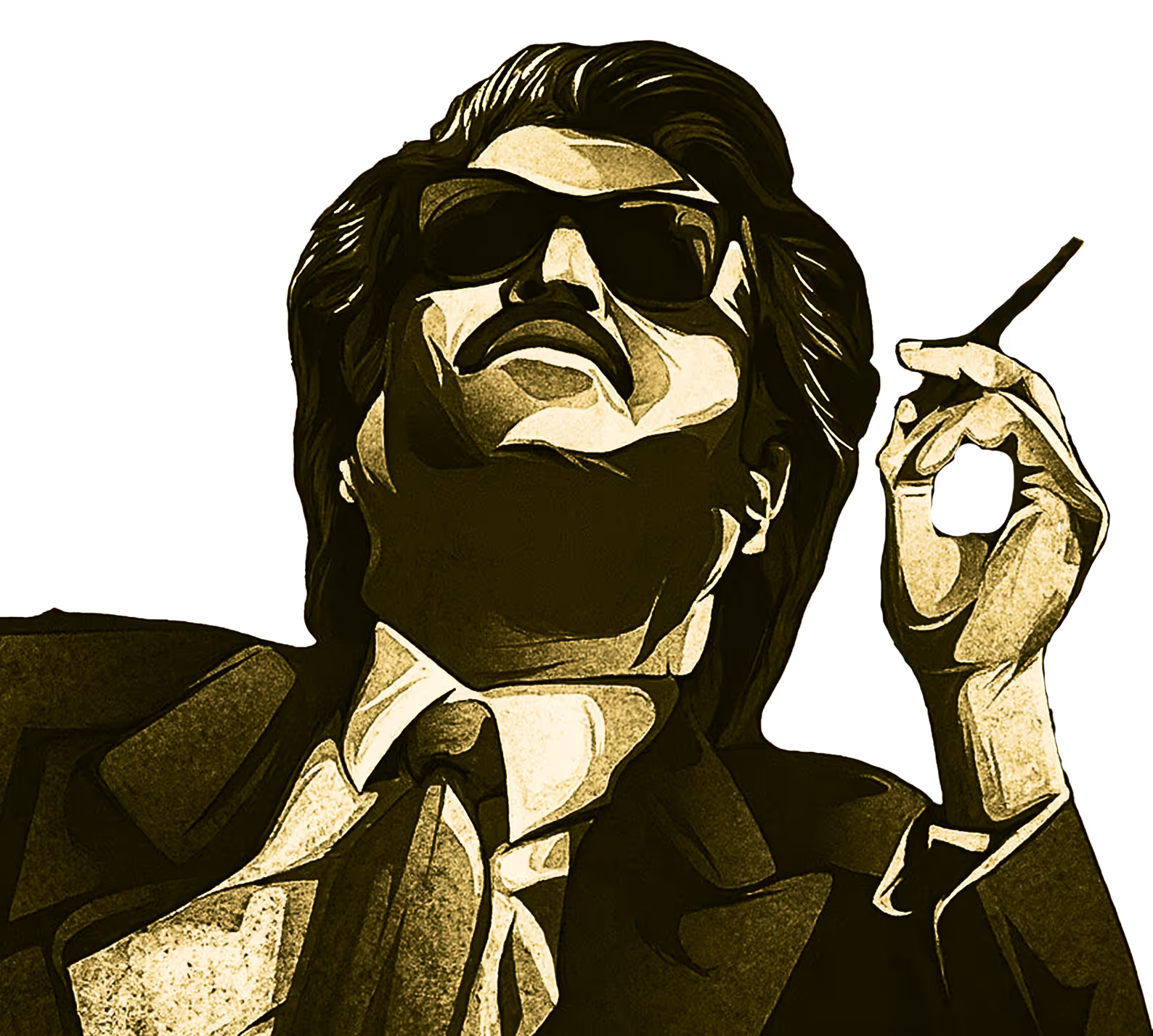
Theatres did not just play his films; they worshippedthem. Screens shook like temples filled with chants,and every Friday became a festival. By the 1990s,Rajinikanth was no longer just an actor — he was aphenomenon, a living myth stitched into the fabricof Tamil Nadu’s cultural identity. His punch dialoguesweren’t just words; they were mantras repeated onstreets, painted on walls, and echoed in every shop
Fan rituals grew into spectacles. From milkabhishekam poured over his cut-outs to fireworkslaunched outside cinema halls at dawn, devotion became indistinguishable from celebration.
Annamalai (1992) – The milkman turned warrior. Itwas here that the iconic “SUPERSTAR” title card blazedacross the screen, accompanied by thunderous music,cementing Rajini as the face of mass cinema.
Baasha (1995) – Perhaps the defining moment of hislegend. As the quiet auto driver revealed his hiddenpast as a dreaded don, audiences across South discovered their own fantasies of power and justice.Ordinary men felt extraordinary within the shadow ofBaasha. Manikh Baasha
Muthu (1998)– A servant with loyalty, a man with destiny. This film not only conquered Indian theatres butalso reached Japan, where he became the “DancingMaharaja,” proving that his charisma spoke a globallanguage.
“I was screaming till I was happy, I was thinking about ituntil I feel exausted, But guess what. I was never enoughof thinking about the scene where he pulls off the swingand sits over it with swag."



.webp)
.webp)
.jpg)